
Leeds Glass Suppliers. Call our team on
Get A Fast Quote
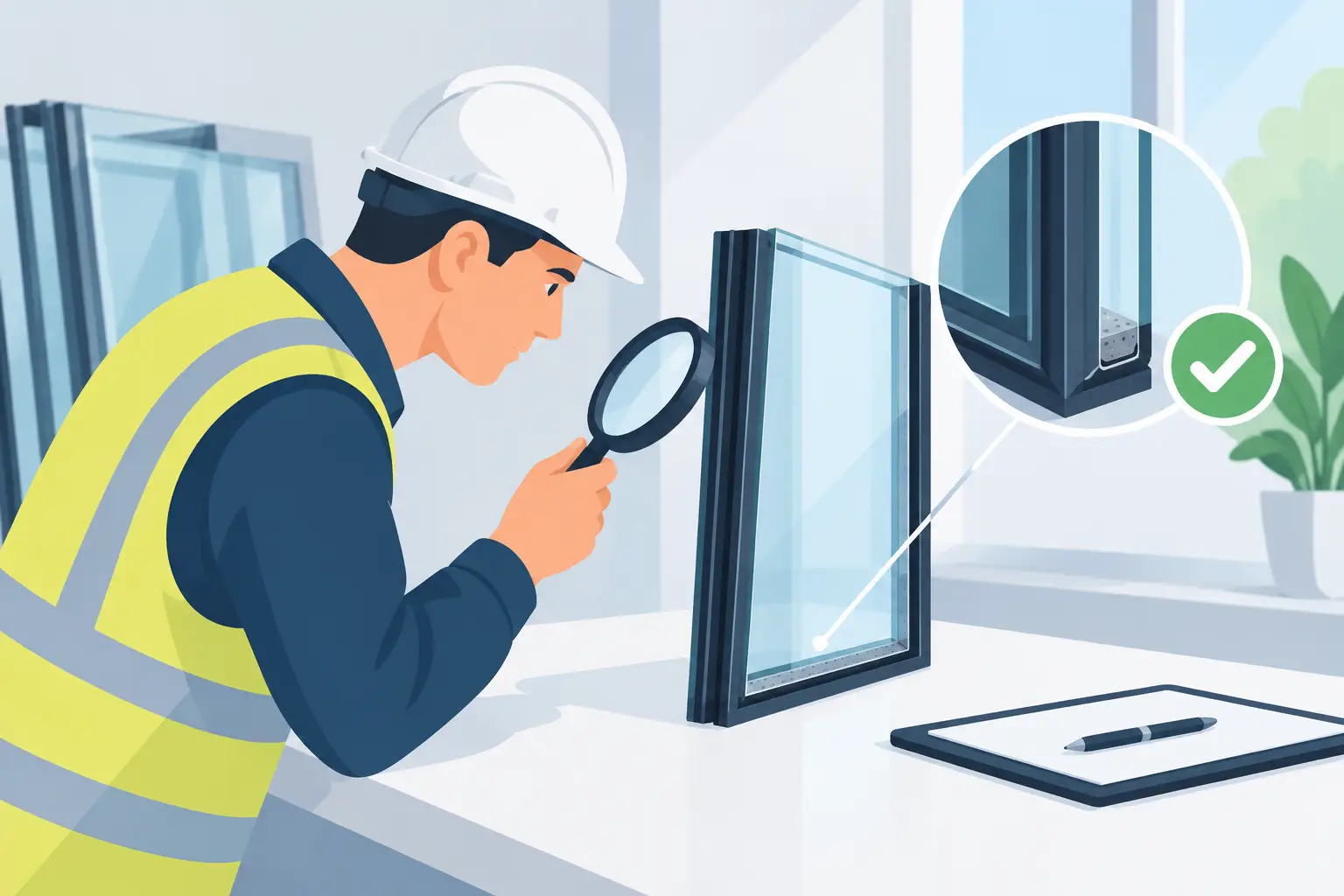
A sealed unit can look perfectly fine from a distance yet cause problems once it is fitted. Knowing how to inspect sealed units before installation helps avoid misted glazing, poor thermal performance, incorrect sizing and unnecessary return visits. Whether you are checking a replacement double glazed unit at home or receiving a batch for a larger project, a careful inspection protects the finish of the job.
A sealed unit is the glazed section made up of two or more panes of glass, separated by a spacer bar and sealed around the edge. It may contain air or insulating gas, and can be specified with toughened glass, laminated glass, Low-E coatings, decorative bars or obscure patterns. Each element needs to match the order and arrive in sound condition.
The best time to inspect a sealed unit is when it is delivered and again immediately before glazing. Once a unit has been installed, identifying the cause of a fault can become more difficult, particularly if site work is continuing around it.
Place the unit on clean, stable bearers rather than directly onto concrete, gravel or a hard floor. Keep it upright and supported along its lower edge. Avoid resting glass at a shallow angle where it can slide or where the corners take the weight.
Good natural light is useful, but do not inspect glass with direct low sun behind it if possible. Strong reflections can make normal optical effects appear more severe than they are. Diffused daylight and a clean viewing angle will give a fairer picture of the glass surface.
Before looking for defects, make sure the unit is the right one. Compare the delivery note, labels and any drawings against the specification. Check the width, height and thickness, as well as the quantity supplied.
For bespoke units, also confirm the features that are easy to overlook: glass type, tint or pattern, spacer-bar colour, lead or Georgian bar layout, safety glass requirement and coating specification. If several similar units are being fitted, identify which one belongs in each opening before packaging is removed. A pane fitted in the wrong location can be costly to change later.
Where toughened safety glass has been requested, look for the permanent safety marking in a corner of the pane. The mark should correspond with the intended glass type. It is particularly relevant for doors, low-level glazing, bathrooms, balustrades and other locations where safety glazing may be required.
Start with the corners and edges. Damage from handling often shows there first. Check for chips, shelling, scratches and cracks, including small marks hidden beneath protective packaging. A small edge chip may not always affect performance, but its suitability depends on its size, location and the way the unit will be installed. Do not assume it is acceptable without advice, especially on toughened or laminated glass.
Then inspect both faces of the glass from several angles. Look for scratches, scuffs, coating marks, trapped debris and obvious surface blemishes. Remove loose protective materials carefully, as grit caught between packaging and glass can scratch the surface.
Pay close attention to the perimeter seal. It should be continuous and neatly bonded around the entire unit, with no gaps, lifting sections or areas that appear split. The spacer bar should sit consistently inside the unit, without visible bends or movement. Uneven sightlines around the edge can indicate a manufacturing or handling issue worth raising before fitting.
A sealed unit does not need to look machine-perfect at every millimetre. Glass is a manufactured material, and minor visual variation can occur. The practical question is whether a mark is visible under normal viewing conditions and whether it will affect the appearance, safety or longevity of the installation.
Condensation between the panes is one of the clearest signs that a sealed unit has failed. The perimeter seal is designed to keep the cavity dry and retain any insulating gas. If the seal breaks down, moisture can enter and leave a misty or dirty appearance that cannot be cleaned from the outside.
It is worth distinguishing between condensation inside the cavity and condensation on a glass surface. Moisture on the room-facing side often points to indoor humidity and ventilation. Moisture on the external face can occur on efficient glazing during cool, clear mornings because the outer pane is keeping heat inside the property. Neither necessarily means the unit is faulty.
If the moisture is trapped between the panes, or you can see water marks, haze or residue inside the cavity, do not fit the unit. Photograph the issue clearly, retain the label and contact the supplier with the order details.
Measure the unit if there is any doubt about size. Check both width and height, and take diagonal measurements to confirm it is square. A unit that is only a few millimetres out can create fitting difficulties, put pressure on the glass or leave uneven gaps in the frame.
Thickness matters too. The overall thickness must suit the frame system, glazing beads, gaskets and packers. A unit that is too thin may not be held securely; one that is too thick can prevent beads from engaging properly. Never force a unit into place to make it fit.
If the unit includes integral blinds, decorative bars or patterned glass, check their alignment before installation. Integral blind controls should operate smoothly and decorative features should be positioned as agreed. With patterned or obscure glass, make sure the pattern runs in the correct direction and that the intended face is presented to the room or exterior.
Low-E glass deserves an extra check. These coatings improve thermal performance, but the coated surface needs to be positioned correctly within the unit. It is not always possible to identify this reliably by eye, so refer to the specification, labels and manufacturer information rather than guessing on site.
Double glazed units can show reflections, slight distortion or colour variation depending on the glass type, weather, viewing angle and surrounding buildings. Toughened glass can also display faint roller-wave distortion or anisotropy under particular lighting conditions. These effects are more noticeable on large panes, dark glass and reflective glazing.
That does not mean every concern should be dismissed. If the distortion is prominent in normal use, or one unit looks noticeably different from others in the same elevation, pause before installation and ask for it to be assessed. Taking photographs from a sensible viewing distance, along with images of the label and whole unit, will help explain the issue clearly.
A sound sealed unit can still fail early if it is installed into a poorly prepared frame. Before glazing, check that the rebate is clean and dry, drainage routes are clear, gaskets are undamaged and glazing beads are the correct type. Old packers, debris and hardened sealant can create point pressure against the glass edge.
Use suitable setting blocks and packers to support the unit in the correct locations. The glass should not sit directly on the frame. Correct packing keeps the unit level, supports its weight and helps prevent the opening sash or door from dropping out of alignment over time.
For external glazing, make sure drainage and ventilation provisions in the frame are not blocked by sealant or packing. Water that cannot escape may sit against the edge seal and shorten the life of the unit. This is one reason why a replacement is not simply a case of swapping one pane for another.
Do not fit a unit that is cracked, misted internally, incorrectly specified or clearly damaged. Keep it safely stored upright, take clear photographs and record the relevant measurements. Report the issue promptly, ideally before installers have completed surrounding work.
For homeowners, it is sensible to ask the installer what they have checked before fitting begins. For trade customers, a receiving inspection gives your team a chance to separate any issue from site damage and keep the programme moving. Yorkshire Glass manufactures made-to-measure sealed units in Leeds and can help clarify a specification where dimensions, safety glass or decorative details are uncertain.
A few minutes spent inspecting a sealed unit can prevent a disappointing view, draughts, repeat labour and avoidable expense. If something does not look right, stop before fitting and get a clear answer. It is far easier to resolve a question while the glass is still on the stand than after the room has been finished around it.