
Leeds Glass Suppliers. Call our team on
Get A Fast Quote
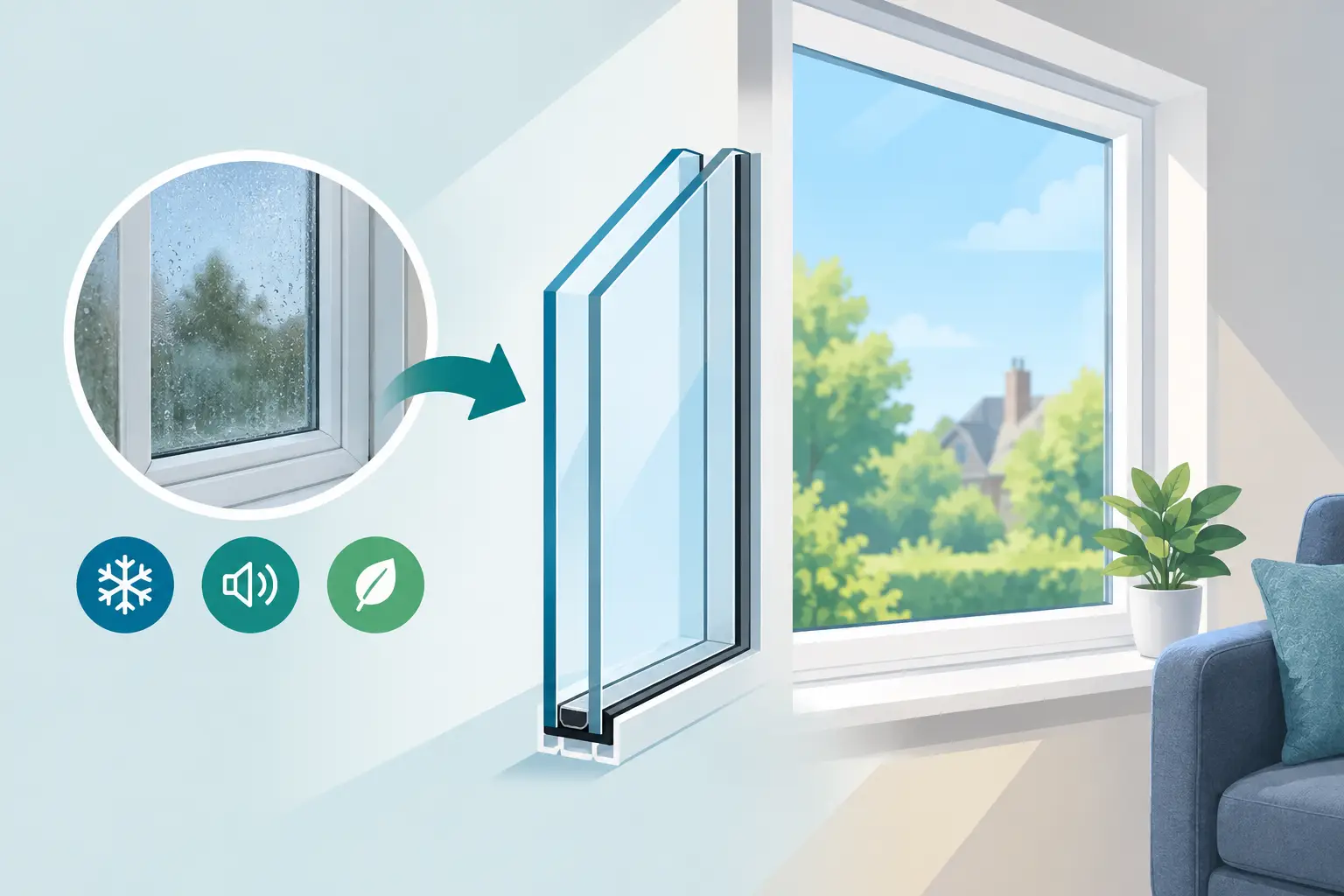
A misted pane does more than spoil the view from a room. Once moisture is trapped between the glass, the window no longer looks right, daylight can appear duller and the insulation performance may be reduced. In many cases, replacement double glazed units are a sensible answer - allowing you to renew the sealed glass without automatically replacing a complete window frame.
That distinction matters. A sound uPVC, timber or aluminium frame may have many years left in it, while the glass unit inside has failed or no longer meets the performance you need. The right replacement has to fit precisely, work with the existing frame and be specified for the way the window or door is used.
A double glazed unit, often called an insulated glass unit or sealed unit, is made from two panes of glass separated by a spacer bar. The perimeter is sealed to create a dry cavity between the panes. Depending on the specification, that cavity may contain air or an insulating gas, while specialist coatings on the glass can help retain heat.
It is not simply two pieces of glass placed together. The glass type, cavity width, spacer, sealant and overall thickness all affect how the unit performs. A unit fitted into a ground-floor French door, for example, will usually need safety glass. A bedroom window facing a busy road may benefit from a different glass combination to improve noise reduction.
Condensation on the room-facing side of a window is often caused by moisture in the home and ventilation levels. Condensation on the outside can actually be a sign that efficient glazing is retaining heat indoors. Neither automatically means the sealed unit has failed.
The clearer warning is moisture, misting or streaks between the panes. This happens when the edge seal breaks down and damp air enters the cavity. You may also notice a milky appearance around the edges, visible deposits inside the unit or a marked loss of clarity that cannot be cleaned from either side.
A cracked pane, damaged corner or failed decorative lead design are other reasons to consider replacement. If the frame remains straight, secure and watertight, replacing the glass can often be less disruptive and more economical than changing the whole window.
There are occasions when glass replacement is not the right fix. Frames that are badly warped, rotten, corroded or draughty around the opening may need repair or full replacement instead. A proper assessment should look beyond the misted glass rather than treating every problem as a sealed-unit issue.
Replacement units are made to size, so accurate measurement is essential. A few millimetres can make the difference between a unit that sits correctly on its packers and one that puts unnecessary pressure on the frame or fails to seal properly.
The visible glass size is not always the size of the unit. Most units sit behind beads or gaskets, meaning their edges are concealed. Thickness matters just as much: older installations may use slimmer units, while modern energy-efficient glazing can be thicker. Fitting a thicker unit into a frame not designed for it can prevent the beads from clipping back correctly or compromise drainage and sealing.
For straightforward replacement work, a competent installer may be able to remove a bead and confirm the existing unit dimensions. For unusual frames, shaped glazing, large panels, roof glazing or doors, it is worth arranging a site measure. Yorkshire Glass manufactures to individual specifications in Leeds and can help establish the details before a unit is made.
The most suitable replacement is rarely just a question of matching the size. Think about the location, the surrounding room and what you want the glass to improve.
Low-emissivity glass has a near-invisible coating designed to reflect warmth back into the room. Combined with the correct cavity and gas fill, it can improve comfort near windows and help reduce heat loss. It is particularly useful when replacing older failed units, though the final result will still depend on the condition of the frame, seals and installation.
Warm-edge spacer bars can also help reduce heat transfer around the edge of the unit. They are available in different finishes, so it is often possible to choose an option that suits white, black, grey or timber-effect frames.
Toughened safety glass is designed to break into small, less hazardous fragments if damaged. Laminated safety glass holds together when broken because of its interlayer. Which is appropriate depends on the application, the glass size and building requirements.
Glazing in doors, low-level windows, side panels and areas close to floor level frequently needs safety glass. Do not assume a standard replacement pane is suitable simply because it looks similar. The existing glass may carry a safety marking, and a replacement should meet the needs of the location.
If traffic, neighbours or a nearby school run are part of everyday life, acoustic glazing may be worth discussing. Noise reduction is not determined by thickness alone. Different pane thicknesses, laminated glass and careful specification can all help, although gaps around the frame and trickle vents can still allow sound through.
Bathrooms, overlooked rooms and entrance doors may benefit from obscured glass. There is a broad choice of patterns and privacy levels, from lightly textured options that retain plenty of light to more opaque finishes. For south-facing rooms or large glazed areas, solar-control glass can reduce excess heat and glare. The trade-off is that it may slightly alter the appearance of reflections or daylight, so looking at a sample is useful.
Matching an existing unit can preserve the look of a property, especially where only one pane has failed. Yet it can be a missed opportunity if the original glazing is underperforming or unsuitable for the room.
A homeowner replacing a misted kitchen window might choose improved thermal glass. Someone renewing a clear panel beside a front door might need toughened or laminated safety glass. A landlord dealing with repeat condensation complaints may need to address ventilation as well as replacing the failed unit.
Consistency is also worth considering. Replacing one unit with glass that has a noticeably different tint, spacer colour or pattern can stand out against neighbouring windows. On older properties, matching sightlines and decorative details may matter as much as insulation values. Bring photographs, rough dimensions and, where possible, details of the existing glass when asking for advice.
A well-made sealed unit can still fail early if it is poorly fitted. The glass needs suitable packers to support its weight and keep it square within the opening. Beads, gaskets and drainage routes need to be in good condition, and the unit should not be forced tightly into place.
This is particularly important with opening sashes and doors. Incorrect packing can affect how they operate, cause hinges to drop over time or create stress at the glass edges. Large panes deserve additional care because of their weight and the consequences of handling them badly.
For trade customers, clear dimensions and a confirmed specification reduce delays on site. For homeowners, professional measuring and fitting support can remove the uncertainty of choosing glass thicknesses, safety requirements and finishes alone. A fast quote is helpful, but it should be based on enough information to produce the right unit rather than a rough guess.
Clean the glass with a soft cloth and a suitable non-abrasive cleaner. Avoid scraping aggressively at the edges, where seals and gaskets sit. Keep frame drainage channels clear, particularly after autumn leaves or building work, so water can escape as intended.
If new misting appears between panes, take a photograph and speak to the supplier or installer promptly. Keep paperwork that records the specification and date of fitting, especially for doors and safety glazing. It makes future maintenance, matching and any warranty discussion much simpler.
A replacement unit should not feel like a compromise because the frame is staying in place. With accurate measuring, the right safety and thermal specification, and careful fitting, it can restore a clear view and make a familiar room feel more comfortable again. If you are unsure what your existing glazing needs, bring the details to a local glass specialist and ask the practical questions before anything is made.